

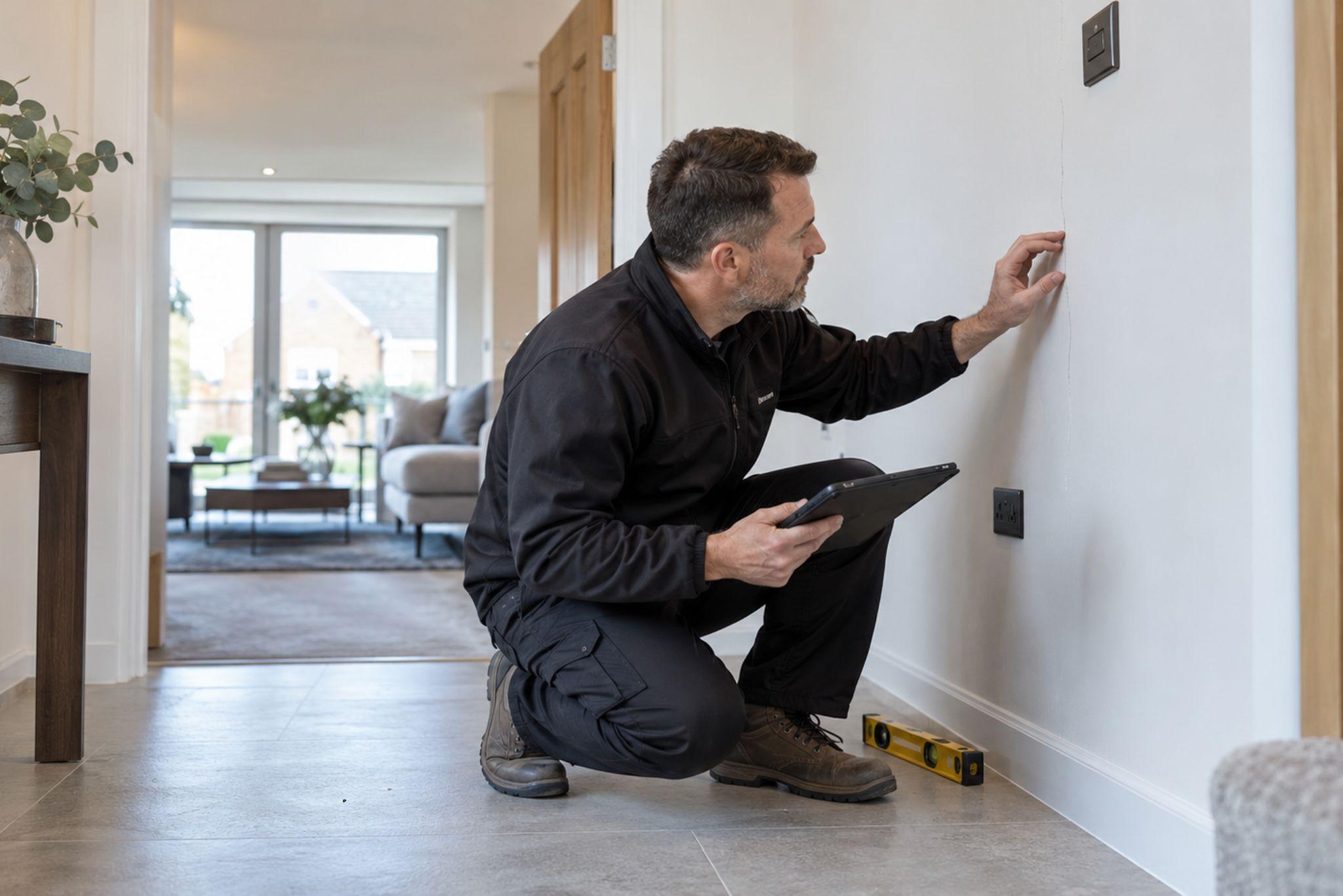
New-Build Snagging Complaints Have Tripled
Author
Ian Murray
Date Published
How to Build a Strong Snagging Evidence File
Buying a new-build home should mean moving into a property that is finished properly and ready to enjoy. Unfortunately, many homeowners find themselves reporting defects, chasing repairs and trying to prove that problems have not been resolved.
New figures from the New Homes Ombudsman Service show a significant increase in complaints from new-build buyers. They also highlight why identifying, recording and reporting defects correctly can make an important difference when dealing with a developer.
New Homes Ombudsman Complaints Rise by 204%
The New Homes Ombudsman Service received 1,802 formal complaints during 2025/26. This was an increase of 204% from the 593 complaints received during the previous year.
Defects and snagging were among the most common issues raised. Defect-related enquiries increased by 162%, while enquiries specifically relating to snagging rose by 205%.
The rise does not necessarily mean that new-build quality has suddenly become three times worse. More developers have joined the scheme, more homes are covered and homeowners are becoming increasingly aware of the support available.
However, the figures clearly demonstrate how frequently unresolved snags and poor complaint handling can develop into formal disputes.
Most Ombudsman Decisions Favoured Homeowners
The number of final decisions made by the Ombudsman increased by 236% during the year. Of those decisions, 82% were fully or partly upheld in favour of the homeowner, compared with 78% the previous year.
Compensation awarded also increased from approximately £67,000 to almost £215,000. A further 575 cases were resolved through the Ombudsman’s early resolution process before requiring a final decision.
The issues reported ranged from defective plastering, poor paint finishes and badly aligned tiles to missing cavity wall insulation, substandard brickwork and incorrectly installed fire safety measures.
Why Do New-Build Snagging Disputes Escalate?
The original snag is not always the main reason a disagreement becomes a prolonged dispute. Problems frequently escalate because of slow responses, poor communication, missed repair appointments and a lack of clarity about what has been completed.
A minor defect may be relatively straightforward to repair. However, when months pass without action or a developer claims the work has already been completed, the homeowner needs clear evidence of what was found and what has happened since.
This is why homeowners should start building a snagging evidence file as soon as defects are discovered.
What Is a Snagging Evidence File?
A snagging evidence file is a complete record of the defects identified within your new-build home. It should also show when each issue was reported, how the developer responded and whether the necessary repairs were completed.
The purpose is not to create unnecessary conflict with your developer. It is to provide a clear, organised account that makes it easier for everyone to understand what needs attention.
If the matter cannot be resolved and must later be escalated, your evidence file can also support your complaint.
Start With a Professional Home Snagging Report
One of the strongest foundations for your evidence file is an independent home snagging report. This provides a structured record of the property’s condition at the time of the inspection.
A professional inspector knows where defects are commonly found and how to distinguish between an acceptable finish and work that requires attention. This can uncover problems that may not be immediately apparent to the homeowner.
Your home snagging report should identify each snag clearly, describe the problem and show where it is located. Photographic evidence makes it easier for the developer and relevant tradespeople to understand what needs to be repaired.
Photograph Every Defect Clearly
Photographs are an important part of any snagging evidence file, but they need to show the issue properly. A blurred close-up without any context may not establish where the defect is located.
Take a wider photograph showing the room or area, followed by a closer image of the snag itself. Where size or alignment is relevant, include a ruler, tape measure or suitable reference point.
Avoid editing or adding filters to the original images. Keep the original files wherever possible, as these will usually retain useful information about when each photograph was taken.
Give Every Snag a Reference Number
Numbering every defect makes your evidence file much easier to follow. Instead of repeatedly describing “the crack in the bedroom”, you can refer to a specific item such as “Snag 014”.
Record the room, exact location, date identified and a short description of the problem. Use the same reference number in photographs, emails and subsequent updates.
This creates a clear trail and reduces the likelihood of different defects being confused with one another.
Record the Date Each Issue Was Found
The date a snag was identified can become important, particularly when a developer questions whether the problem was present when the property was completed.
Record the discovery date and report the issue as soon as reasonably possible. If the defect changes or becomes worse, take further dated photographs rather than replacing the original evidence.
This allows you to demonstrate how the problem developed over time.
Report Snags in Writing
Telephone conversations can be useful for arranging appointments, but important defects should always be reported in writing. Email or the developer’s customer care system will normally provide a record of what was submitted and when.
Include your property address, the relevant snag reference numbers and a clear description of the action required. Attach your home snagging report or the relevant pages where appropriate.
Remain factual and avoid emotional or confrontational language. A concise account of the defect and the repair required will usually be more effective.
Keep Every Response From Your Developer
Save emails, letters, portal messages and appointment confirmations in one place. You should also keep copies of anything you send rather than relying on information remaining available within an online customer portal.
Record the date of any telephone conversation, the name of the person you spoke to and what was agreed. Follow important calls with a short email confirming your understanding.
This helps to prevent disagreements about what was discussed and provides a chronological record of the complaint.
Maintain a Repair and Appointment Log
Create a simple timeline showing when repairs were offered, when contractors attended and what work was carried out. Record cancelled appointments and occasions when a contractor attended but could not complete the work.
If a repair is completed, photograph the area afterwards. Do not remove the original defect from your evidence file, but mark it as completed and add the relevant date.
Where work has not corrected the defect, record this and take new photographs showing the current condition.
Be Clear About the Outcome You Want
A strong complaint should explain both what is wrong and what you expect the developer to do about it. In many snagging cases, the requested outcome will be the proper completion or correction of defective work.
Where a previous repair has failed, explain why it has not resolved the original issue. Refer back to the relevant item in your home snagging report and provide updated evidence.
Giving the developer a clear opportunity to put things right is also an important part of the complaints process.
Follow the Developer’s Complaints Procedure
Before approaching the New Homes Ombudsman, homeowners will usually need to raise the matter formally with their developer and allow the internal complaints process to run.
Check whether your developer is registered with the New Homes Quality Code and whether your property is covered by the scheme. The New Homes Ombudsman does not currently cover every new-build property or every developer.
Eligible homeowners may normally approach the Ombudsman after receiving the developer’s final response or once 56 calendar days have passed since the formal complaint was first raised. Always check the current eligibility and submission requirements before escalating a case.
Common Mistakes That Can Weaken a Complaint
Some homeowners identify genuine problems but struggle to demonstrate what has happened. This is often caused by incomplete photographs, missing dates or relying too heavily on telephone conversations.
Sending defects across numerous emails without consistent reference numbers can also make a complaint difficult to follow. The same applies when new issues and previously repaired snags are mixed together without explanation.
A single, organised evidence file creates a much clearer account of the condition of the property and the steps taken to resolve it.
Does a Strong Evidence File Guarantee a Successful Complaint?
No evidence file can guarantee that a developer or the Ombudsman will agree with every item raised. Each complaint will be considered according to the circumstances, available evidence and relevant standards.
However, a clear professional report, dated photographs and a complete communication history can make a complaint much easier to understand. It also reduces the opportunity for uncertainty over when defects were identified or whether they were properly reported.
How Home Snagging UK Can Help
At Home Snagging UK, we provide independent professional home snagging inspections for new-build properties across the UK. Our experienced inspectors examine the property carefully to identify poor workmanship, incomplete work and defects that may otherwise be missed.
Following the inspection, you will receive a comprehensive home snagging report that clearly records the issues found. The report provides a professional foundation for approaching your developer and requesting the necessary repairs.
We offer pre-completion and post-completion snagging inspections, as well as de-snag inspections to check whether previously reported work has been completed properly. Drone inspections and thermal imaging are also included where appropriate, helping us assess areas and potential problems that may not be visible during a basic visual check.
Whether you are preparing to move into your new home or have already collected the keys, an independent house snagging inspection can help you understand its true condition. It also provides the clear evidence you may need if your developer is slow to respond or disputes the defects reported.
Contact Home Snagging UK today to arrange a professional home snagging survey and receive a comprehensive report for your new-build property.
In their words
What our customers say
From 137 verified Google reviews

a month ago
Highly recommended Keith to complete a post completion snagging survey. He clearly has a wealth of knowledge and spotted things I wouldn’t have even noticed. We can go to our builder now, with peace of mind that our new home can be fixed appropriately to help it last for years. Julie was also extremely accommodating…

2 months ago
We couldn't be happier with the service we received. From my original enquiry which was dealt with so professionally, right through to our inspection which was incredibly thorough, and the inspector identified issues that we would never have spotted ourselves. Our report was sent through within 24 hours after the…

2 months ago
Keith was fantastic. Arrived early and spent 3 hours at my property. He was personable and professional. He identified snags in our new build which I had not previously identified and confirmed my concerns with others. He reassured me on the likely next steps - drawing upon his experience - and gave fantastic advice…

2 months ago
Recently used Home Snagging for my pre completion inspection on a new build property and they are very impressive. From making the arrangements with Julie to the check carried out by Keith, everything was carried out in a highly professional manner. There was no chance of me picking up most of the issues noted - I am…

3 months ago
I recently used Home Snagging UK for an inspection of my new build home in Newcastle Upon Tyne. The service and communication both pre-during and post work was excellent. What impressed me most was how thorough the inspector (Keith) was. He spotted issues that I didn’t expect him to look for. I’d highly recommend.…
FAQs
Looking for a Snagging Inspection?
If you are buying a new build home, don't assume everything has been finished to the standard you expect.
Our experienced inspectors will carry out a comprehensive snagging inspection. We will identify any defects and provide a professional report that you can submit directly to your builder.
Whether you are buying your first home or your forever home. The Home Snagging UK team are here to help make sure it is finished properly.
Download the Pre-Completion Inspection Checklist
Want to know what inspectors look for during a new build snagging inspection? Download the official Pre-Completion Inspection Checklist:
More from Home Snagging UK
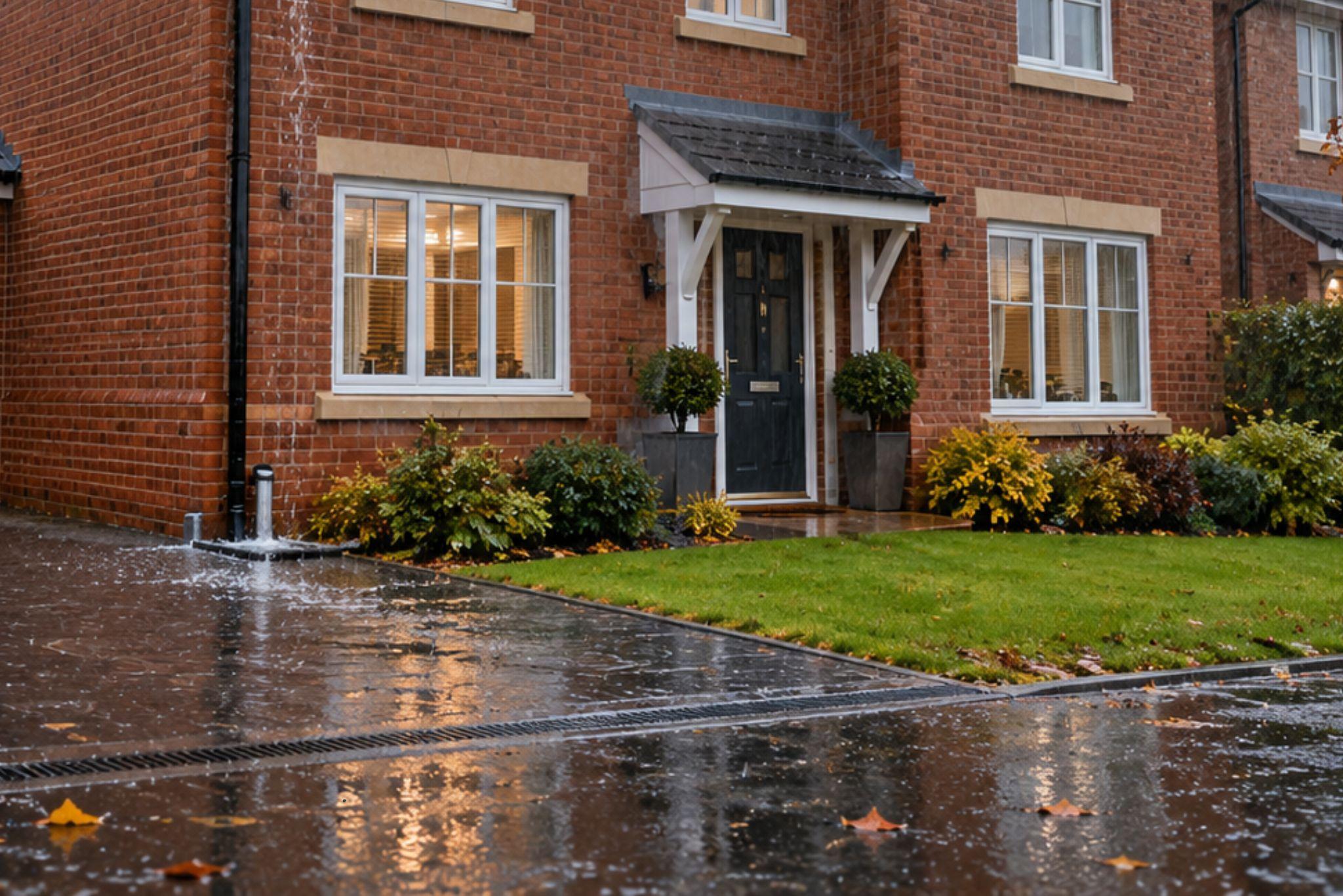
After Heavy Autumn Rain: 10 New-Build Defects to Check
Has heavy autumn rain exposed problems in your new build? Check these 10 common leaks and drainage defects and learn how home snagging can help.
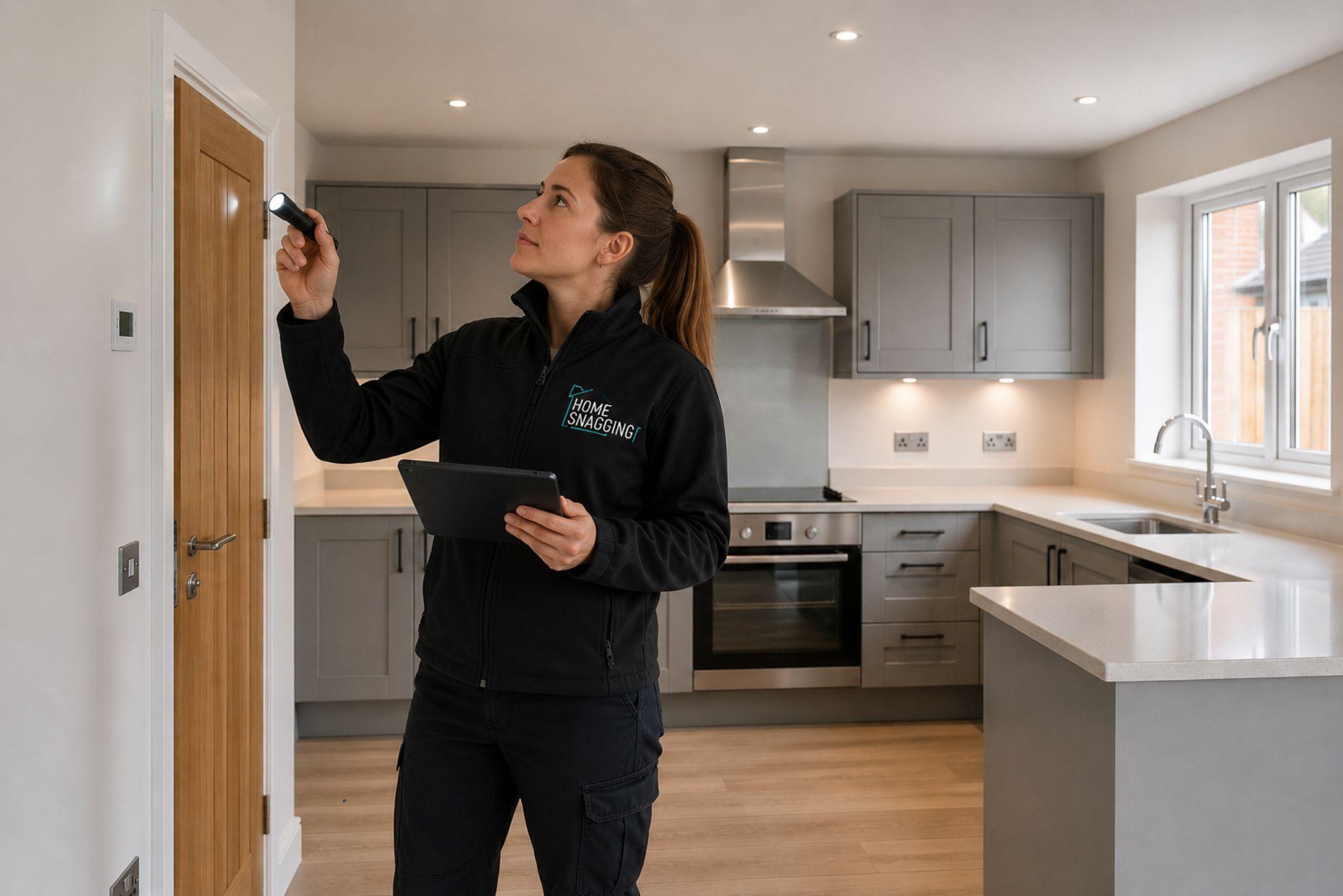
How Many Snags Does The Average New Build Have in 2026?
How many snags does the average new build have? We look at UK defect data, common new build problems and why a professional snagging inspection matters.

Home Snagging UK Recognised as an Award Winning Home Inspection Company
Home Snagging UK has been recognised as the Best Home Inspectors in Doncaster for 2026. Discover why homeowners trust our award winning snagging inspections.